Portland, OR · Garage Door Service
Gresham homes built around 1981 often carry original hardware sized for doors half as heavy as today's insulated panels. We install from Portland, 10 miles out.
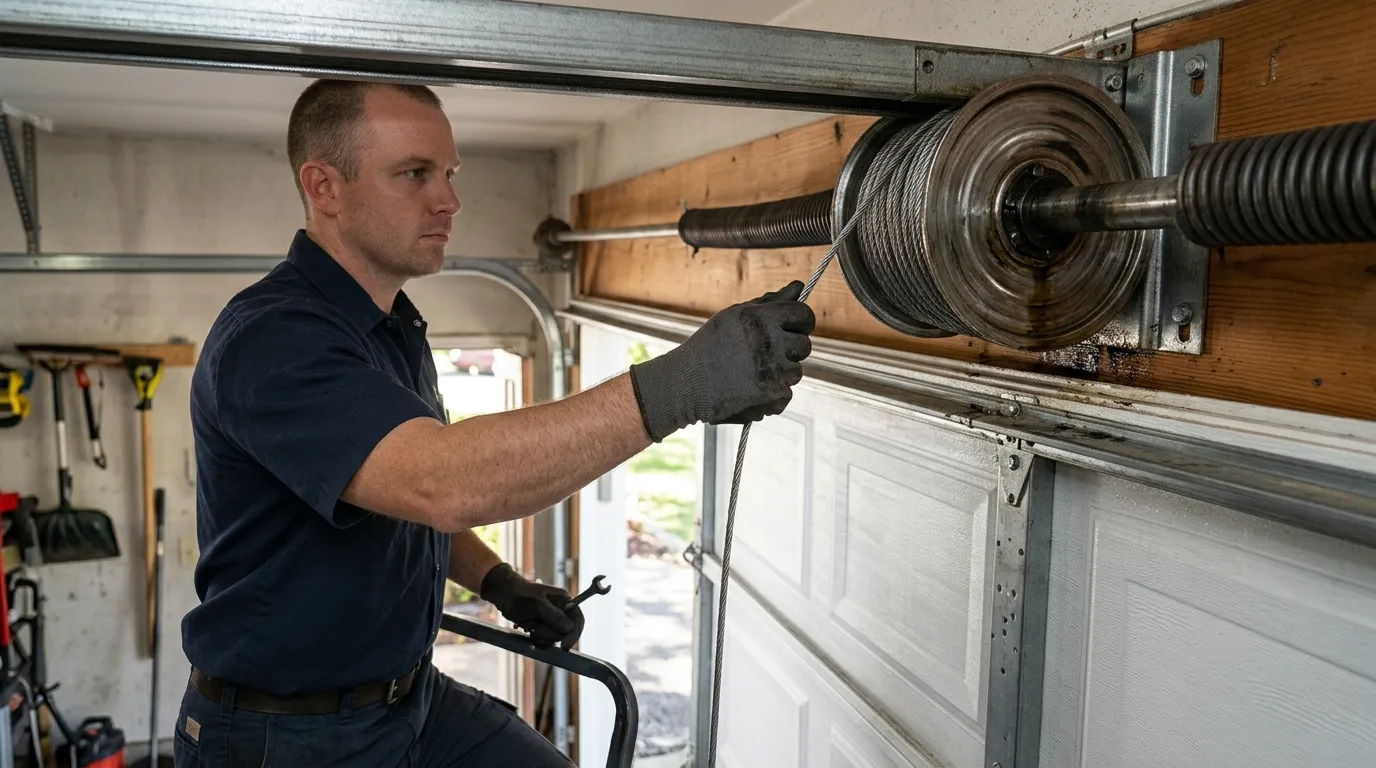
A full replacement here isn't priced off a national average - it's priced off what's actually on the house. Gresham's housing stock centers on 1981, which puts a lot of homes right in that late-70s-to-90s window where builders used lighter steel doors on tracks that weren't built to carry today's insulated panels. Swapping to a heavier door means new tracks, sometimes a stronger opener, and occasionally reinforcing the header if the original framing was sized for the lighter door it came with.
We can't quote a number here without seeing the opening, the door style you want, and whether the drums and cable need to match a new torsion spring size. What we can tell you is that jobs on original 1980s-era openings tend to run longer than a straight swap, because so little of the old hardware carries over cleanly. If you're getting quotes, ask whether they've priced the door alone or the door plus the track and spring work it actually needs.
The most common mistake on a house this age is ordering a new door sized to the rough opening without checking the track radius or the height of the horizontal track against the ceiling. Doors from the early 1980s often used a shorter radius track than what ships standard today, and if nobody measures that before the door shows up, you end up with a door that won't clear the springs or won't open all the way.
The second failure is reusing an old torsion spring on a new, heavier insulated door. The spring was wound to lift the old door's weight - put a heavier door on it and the opener strains, the cable stretches unevenly, or the door won't seat right at the bottom. Neither of these shows up on the invoice as a mistake; it shows up six months later as a call for a door that's suddenly hard to lift.
We measure the opening and the track radius before we order anything, not after. On a house from the 1981 era, that usually means checking whether the original track will even accept a standard modern door, or whether the whole rail system needs to come out with it. If the spring needs to change size to match the new door's weight, we size that at the same time - it's part of the install, not a separate call.
We set the new opener to match the door's actual travel and weight rather than leaving factory defaults, and we check the header for reinforcement if the new door is heavier than what the framing was built around. One thing we won't do is bolt a heavier door to a header that can't take it - if that's what your house needs, we'll say so before the door goes in, not after.
Most of the failures we see on installs in this part of the service area trace back to the age of the house, not anything the owner did wrong. With a median build year around 1981, a lot of these garages were framed for a single lightweight steel door and a track system that manufacturers don't make anymore in the same dimensions. When that door finally wears out and gets replaced with something off the shelf today, the mismatch between old framing and new hardware is what causes the problems, not bad luck.
Oregon's mild climate with occasional freeze plays a smaller role here than it does in colder states - you're not fighting the kind of frost heave that cracks slabs and throws off door alignment. The bigger factor is simply that the house predates the doors being sold now.
We travel out from Portland for installs in Gresham, about 10 miles from our base. Because we're coming from Portland rather than working out of a local yard, we ask for the make and rough opening measurements up front when you call, so we're not guessing at track length or spring size before we arrive. See our Gresham service area page for what else we cover out this way, or the Portland installation page if you want the fuller rundown on how we handle new door installs generally.
Hanging a new garage door yourself isn't impossible, but a torsion spring under load can put someone in the hospital, and on a house from this era you're also gambling on whether the old track and header will even take the new door without modification. If you've done this kind of work before and have the right winding bars, the door itself isn't the hard part - it's knowing when the opening needs more than a door swap.
Where we'd tell you to call instead of DIY: any time the spring size doesn't match what's written on the old one, or the header shows any sign of sagging under the current door. Those aren't jobs to learn on.
Sometimes, but not always. A lot of houses built around Gresham's median year of 1981 used a track radius that isn't standard on doors sold today. We check this before ordering so you're not stuck with a door that won't clear the springs or open fully.
No - we work out of Portland and drive out to Gresham, about 10 miles each way. We ask for your door measurements and opener details before the visit so the trip covers the actual job.
Usually not. Insulated doors weigh more than the lighter steel doors common on older Gresham homes, and a spring wound for the old door's weight will strain under the new one. We size the spring to the new door as part of the install.
It depends on whether the track and header need work beyond swapping the door panel itself. Houses from the early 1980s often need more than a straight swap, which we'll flag before we start, not after.
Call now or request a free quote - same-day service on most repairs, upfront written pricing.