Mount Tabor sits about 3 miles east-southeast of downtown Portland. We work this pocket of the city as part of a wider service area that runs from Lloyd District and Buckman a mile or two closer in, out past Rose City Park and Mount Tabor itself, and further still to places like Gresham and Troutdale ten to twelve miles off. That range matters because it's how we keep parts on the truck that fit the doors actually installed on this side of town, not a generic stock list.
We don't claim landmarks or street names we don't have on file for Mount Tabor, and we won't pretend otherwise. What we do know is the housing stock in this part of the metro area, and that's enough to tell you what kind of door problems show up here and why.
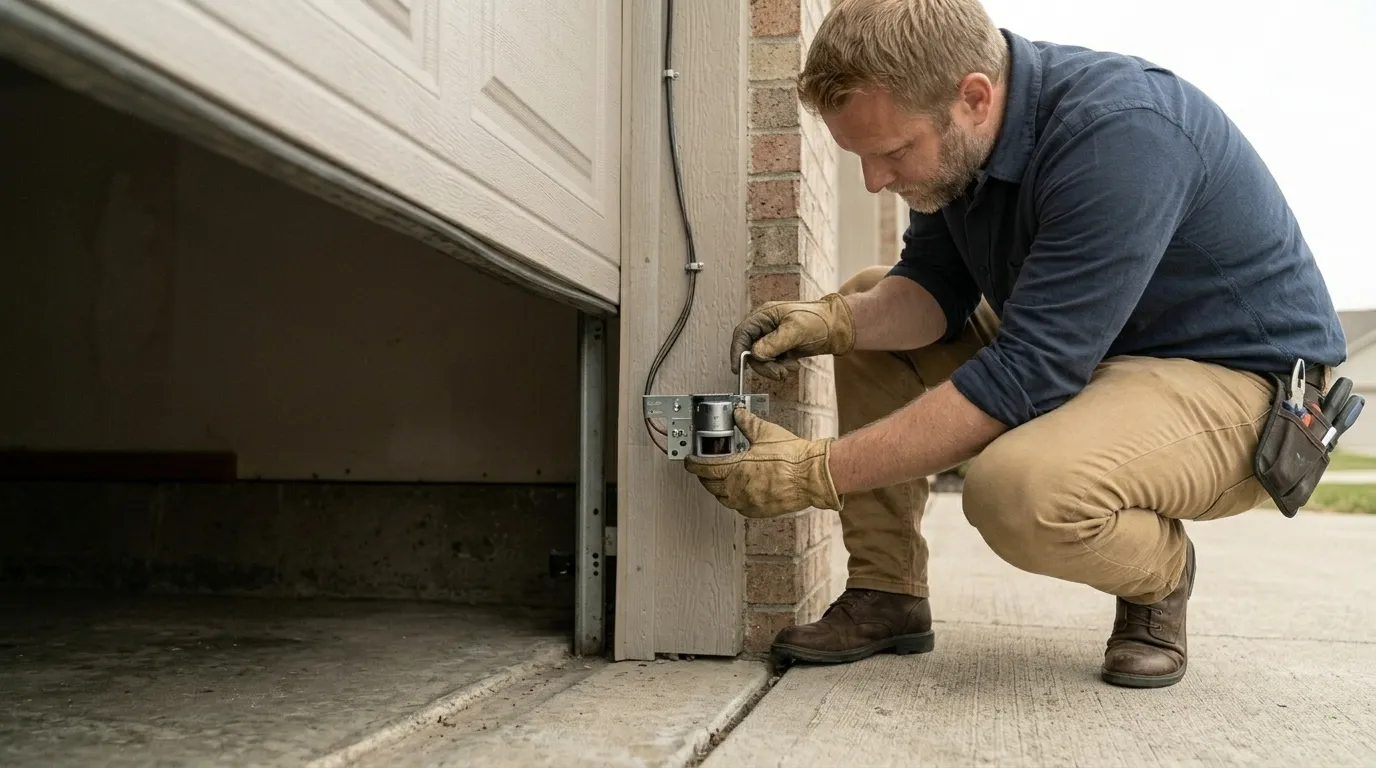
Booking a call is simple: tell us what the door is doing (or not doing), and we work out a time that fits your day. We don't run a dispatch board that makes you guess when a truck might show up in a six-hour window.
One honest limit: if a part your opener or spring needs is unusual, older gear sometimes takes a few extra days to source. We'll tell you that up front on the call rather than after we've opened the door up, so you're not stuck waiting without knowing why.
Across this part of the service area, most homes were built between 1964 and 2006, with the median landing around 1982 - solidly in the wave of 1980s and 90s construction that defines a lot of these streets. That era brought a shift from the old one-piece doors toward sectional doors on extension or torsion springs, and openers that are now old enough to have worn-out gears, dried grease, or safety sensors that were bolted on later rather than built in.
A door installed in the early 80s is now over forty years old if it hasn't been replaced, and a lot of the springs and cables from that period are past the point where tightening or lubricating buys you much time. We see panels that have taken decades of sun and rain cycles typical of this region's mild, occasionally freezing winters - not dramatic weather, but enough freeze-thaw over forty years to work rust into hinges and hardware that was never stainless.
Households in the wider service area report a median income near $102,931, and with roughly 101,547 owner-occupied houses among 243,751 households total, a good share of what we see is original 1980s-90s hardware still doing its job, just barely.
If your door is sticking, groaning, or the opener trips before it closes, that's usually original-era hardware telling you it's near the end, not a sign you did something wrong. We'll look at the spring, the track alignment, and the opener itself before we recommend anything, and we'll say plainly if a repair isn't worth it against a straight replacement.
We don't try to sell a full door swap when a spring and a service call will do, and we don't patch a door that's actually done. Call and describe what it's doing - the more detail, the faster we can bring the right parts the first time.
Most houses in this part of the service area were built between 1964 and 2006, with the median around 1982. That means a lot of doors and openers are original or close to it - old enough that springs, cables, and gear-driven openers are due for attention or replacement.
We stock what commonly fails on doors from that era, since so much of the housing here dates to the 1980s and 90s. Some older or unusual openers do take longer to source parts for, and we'll tell you that on the call rather than after we've started.
The climate in this area is mild with occasional freezes rather than harsh winters, but decades of freeze-thaw cycles still work rust into hinges, rollers, and springs that aren't stainless. On a door built in the 1980s or 90s, that adds up over time.
Call now or request a free quote - same-day service on most repairs, upfront written pricing.